
Closing the loop: Turning organic regional waste into renewables
30 August 2026
•
Chris Freney, Chicken Farmer and C-Loop Co-Founder
Across regional Australia, the energy transition is no longer a distant policy debate but happening right now in our paddocks and sheds.
Across regional Australia, the energy transition is no longer a distant policy debate but happening right now in our paddocks and sheds. I see the dual pressure of energy costs and waste management every day at Carinbrook Farm. Attending both the National Renewables in Agriculture Conference and the Gippsland New Energy Conference this month, the shift in narrative from the wider agricultural and energy industries was unmistakable.
At the National Renewables in Agriculture Conference, over 350 people gathered to discuss the intersection of farming, energy, and resilience. The focus has firmly moved from basic on-farm solar to sophisticated, circular systems that re-engineer agricultural waste into energy, carbon products, and new regional industries.
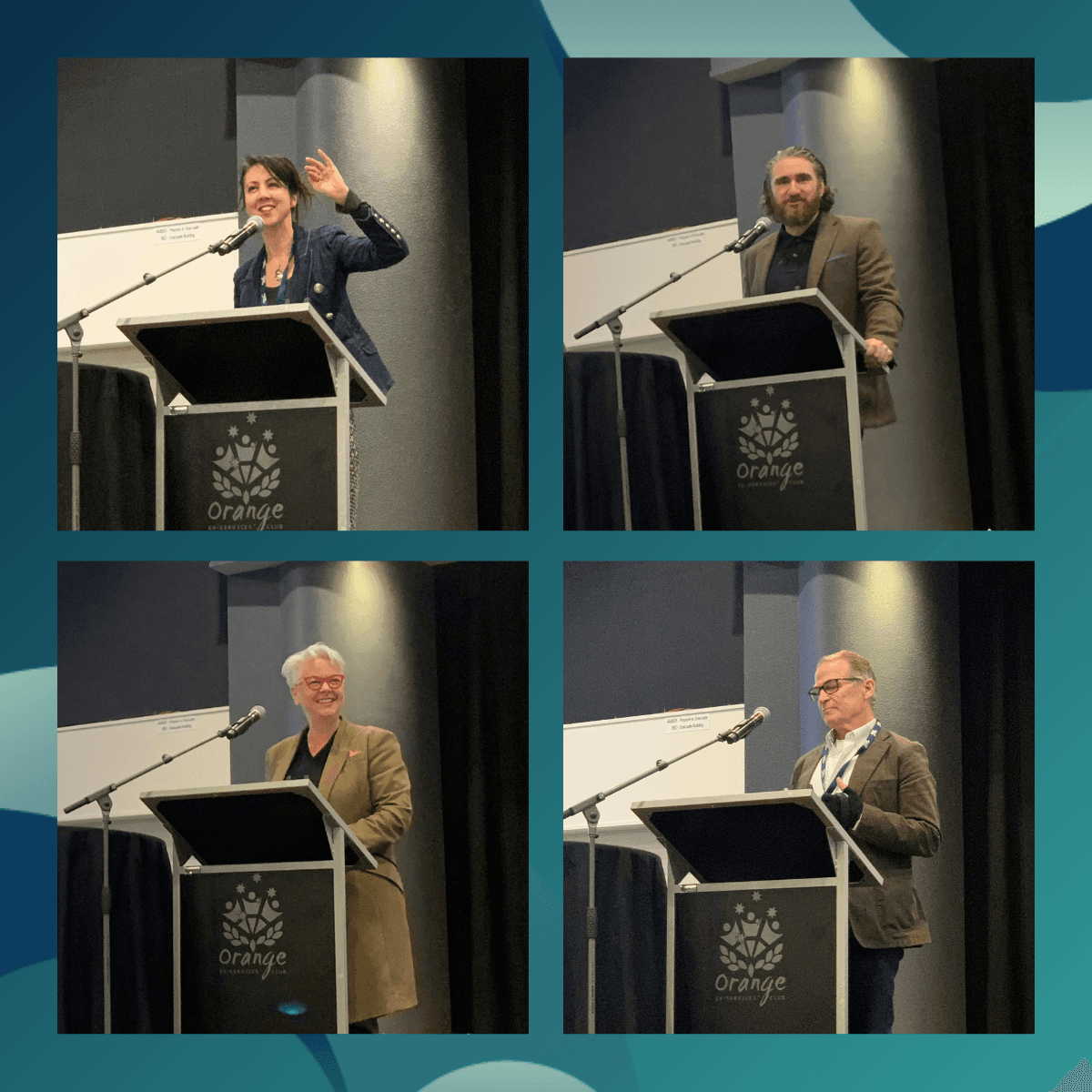
Clockwise from top left: Karin Stark, Andrew Whitelaw, Chris Freney and Hon. Penny Sharpe.
As Conference Founder Karin Stark observed during her opening remarks:
“Farming innovation is rarely straightforward. First-movers prove what’s possible, but they shouldn’t be doing it alone. We need government, industry, and investors to work together to keep the transition sustainable.”
Market analyst Andrew Whitelaw pointed out that while climate variability is increasingly impacting our collective ability to produce food and placing severe pressure on balance sheets, it’s not all doom and gloom:
“Climate is volatile, which brings opportunities, and the markets look to where opportunities can be advanced.”
The Hon. Penny Sharpe, NSW Minister for Energy, reinforced the imperative for prompt action:
“We are working in a fast-paced world, and a century from now people will see there was a need for us to transition in line with what communities need. We need an Australia that can power itself, feed and clothe itself, a resilient economy, and an environment we can leave to future generations. We all have a role to play in doing this. It’s not something we do for fun; it’s something we must do. Many wish we could keep things the way it was. But we can’t, and we need to look at what we have already achieved and keep moving forward.”
These points resonated with my own journey at Carinbrook Farm. When you are looking at tonnes of chicken litter every brood cycle, standard waste removal feels like a missed opportunity. Taking that risk as a first-mover to pilot closed-loop processing showed us that poultry litter is not a burden to dispose of, but a high-value asset capable of powering operations and generating new revenue.
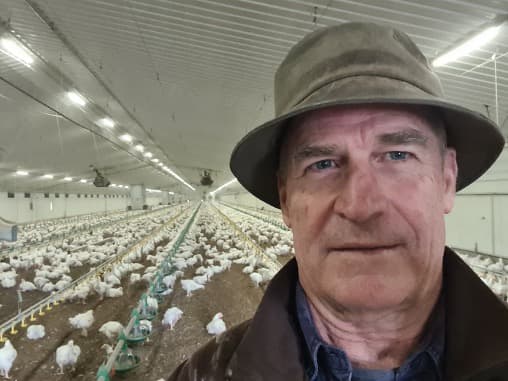
Chris Freney at Cairnbrook Farm
The Australian opportunity
International examples show what is achievable when policy and regional scale align. Denmark is currently on track to supply 100% of its national gas grid via anaerobic digestion (AD) by 2030, with local farmers providing over half of the necessary feedstock.
Australia holds a similar opportunity to turn agricultural waste into a major economic engine. Modelling by PWC Australia indicates that by adopting a circular economy Australia could generate an estimated $1,860 billion in direct economic benefits over twenty years and reduce 165 million tonnes of CO₂ per year by 2040. According to the ARENA Bioenergy Roadmap, developing Australia's bioenergy potential could contribute up to A$10 billion annually to national GDP and create more than 26,000 regional jobs by 2030. Bioenergy and organic waste recovery alone could abate up to 9% of Australia's total greenhouse gas emissions by replacing fossil fuels and capturing methane from organic feedstocks.
Central to capturing this immense national value is a fundamental principle: farmers owning their carbon as a valuable, revenue-generating asset that underpins long-term regional resilience.
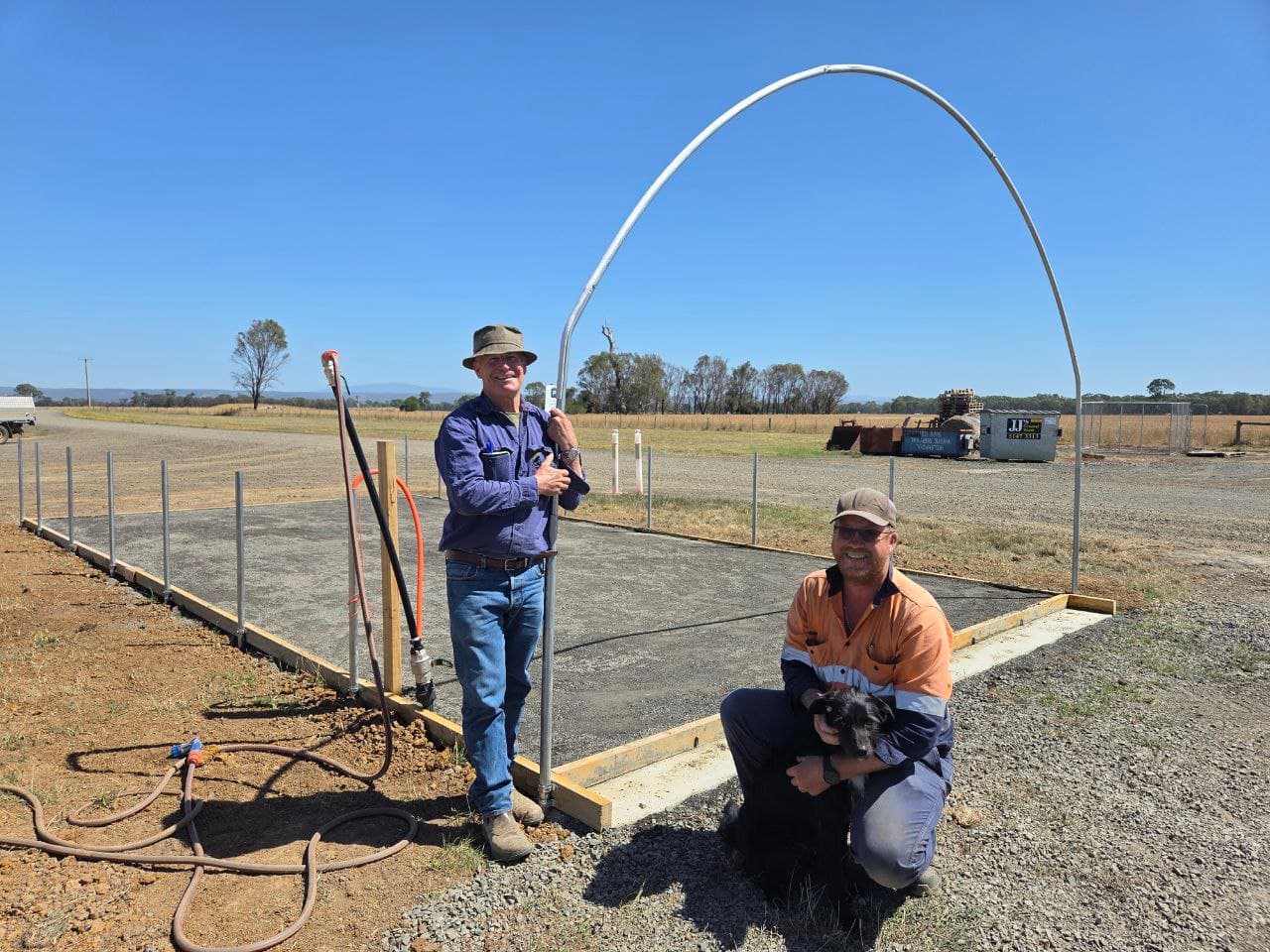
Unlocking revenue streams through anaerobic digestion
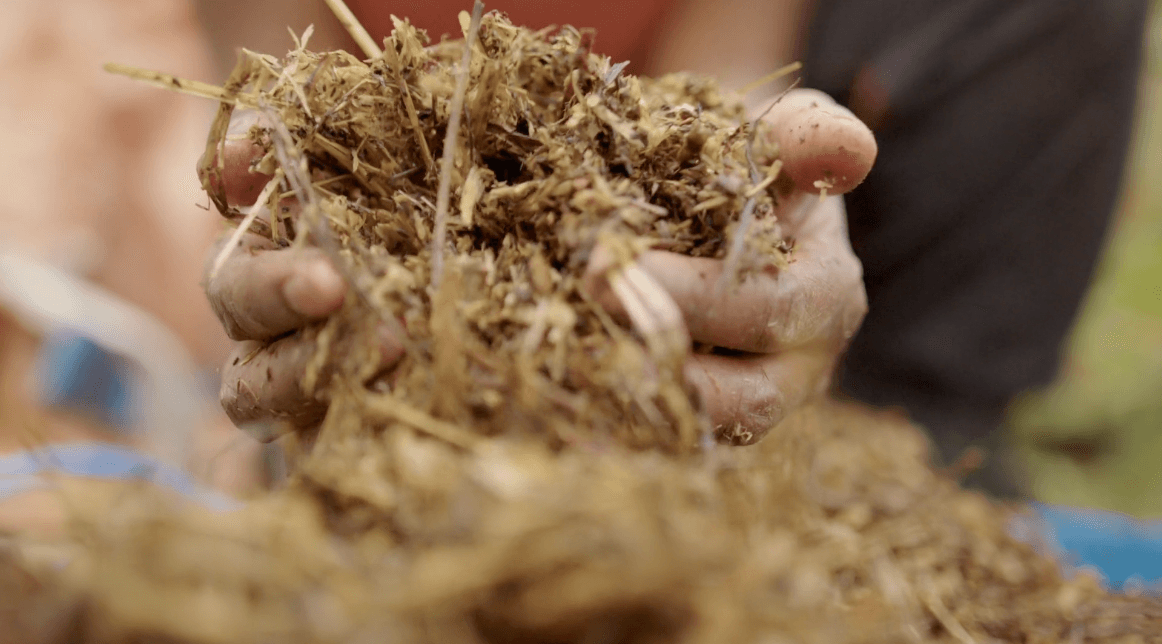
For decades, agricultural outputs like poultry litter, straw, and animal effluent were treated primarily as waste management problems. On our own poultry farm, chicken litter used to be an operational byproduct to manage.
We now understand that these materials represent significant carbon assets. Through C-Loop's anaerobic digestion process, we turn poultry litter into biomethane, continuous energy, and food-grade CO₂, proving that intensive animal agriculture can be a cornerstone of regional renewable energy. Where standard AD facilities often focus solely on electricity generation, C-Loop’s biorefinery process fully valorises every output stream (gas, liquid, and solid) ensuring zero waste while maximising revenue and environmental efficiency.
The process transforms raw agricultural waste into three valuable outputs:
Liquid stream (nutrient-rich water & natural dyes): Liquid digestate, packed with essential nitrogen and minerals, is routed into bio-secure raceway ponds. Powered by captured heat and flue gas CO₂,this nutrient water cultivates high-value micro algae such as spirulina and chlorella. Once harvested, the fully organic algae provide high-protein biomass and natural blue pigments (phycocyanin) to meet soaring global demand for natural food colouring as manufacturers phase out synthetic food dyes.
Gas stream (energy & clean CO₂): Biogas is combusted to produce reliable baseload electricity and thermal energy. Thermal heat is captured to maintain precise year-round temperatures within the biorefinery facilities, maximising algae production. Carbon dioxide is captured and purified into food-grade CO₂and sold for industrial and beverage uses.
Solid stream (soil health): The remaining nutrient-dense solid digestate is processed and distributed as high-grade organic fertiliser, completing the nutrient loop and returning vital organic matter back to agricultural soils.
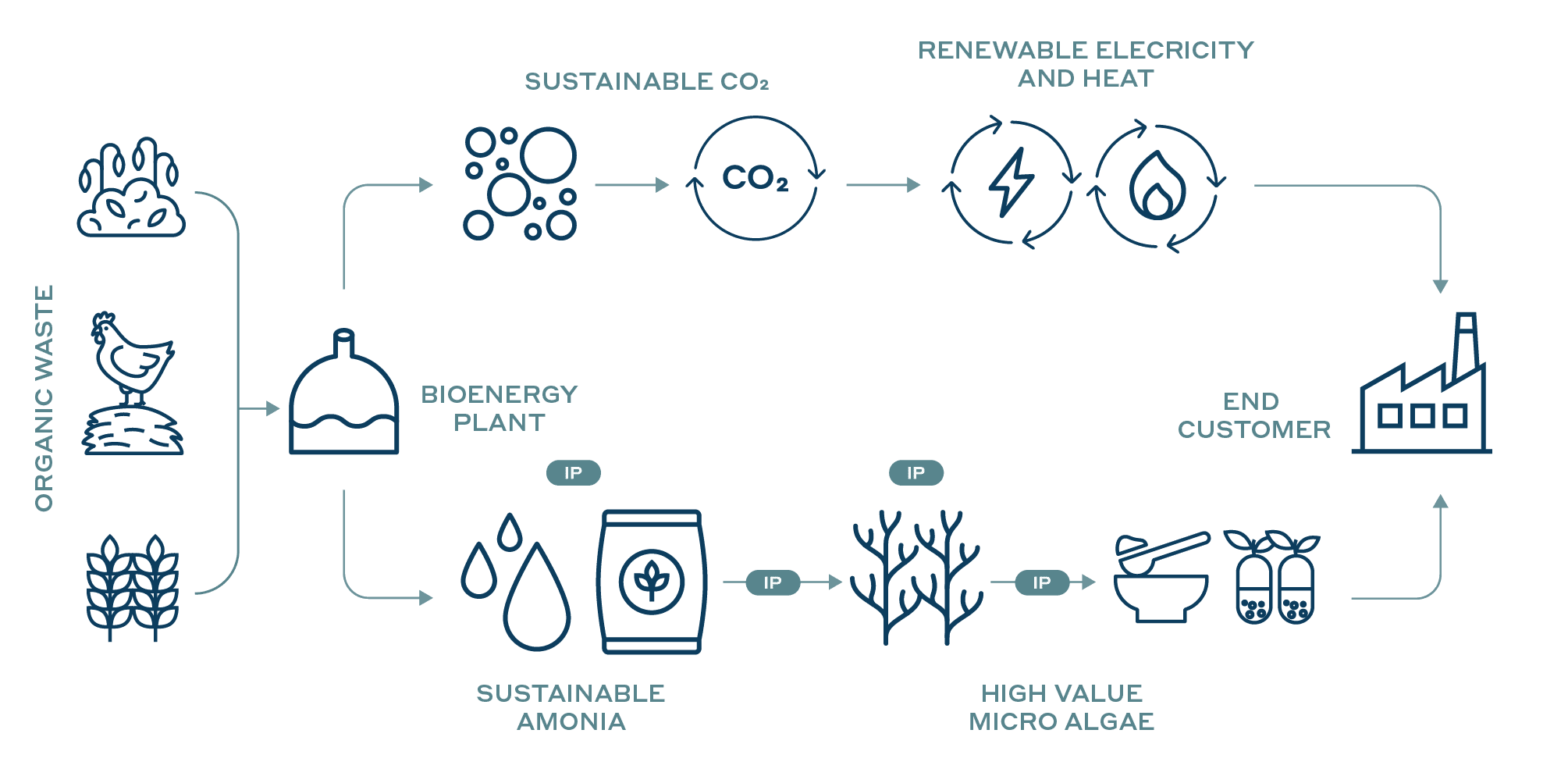
Read more about C-Loop's biorefinery process here.
Biorefineries as drivers of regional revitalisation
A recurring emphasis across both conferences was that energy transition strategies must deliver tangible, local benefits to gain community support. Broad, abstract carbon schemes often fail to connect with regional communities. In contrast, farmer-led biorefineries build inherent local support because the economic, employment, and environmental gains remain in the region.
By positioning biorefineries as local processing hubs, we optimise farmer-owned carbon into high-value products that serve multiple regional stakeholders.
Workforce development: Operating closed-loop biorefineries requires diverse skill sets, ranging from biological monitoring and mechanical engineering to logistics and chemistry. This creates stable, long-term technical jobs that attract skilled workers back to rural areas.
Circular regional economy: Local farms supply the feedstock and receive rich organic fertilisers in return. Local industries gain access to lower-cost, reliable baseload heat and power, while food processing supply chains secure sustainable, Australian-made natural ingredients.
Risk reduction for farmers: Rather than shouldering the capital and operational burden of complex infrastructure alone, farmers partner with specialised operators. C-Loop manages every operational phase under long-term feedstock contracts, eliminating financial risk for producers while unlocking new revenue from their existing carbon assets.
The key takeaway from this year's conferences is clear: Australia’s path to a secure energy and agricultural future relies on practical, circular execution. By treating agricultural waste as a prized energy and nutrient asset, we can power our regions, produce sustainable high-value co-products, and ensure our farming communities remain resilient for generations to come.