
Australian spirulina: Transforming the global food colour industry
23 July 2026
•
Wayne Stuchbery ex GM Sensient Australia
Demand for natural food colours is soaring, creating a major opportunity for Australian spirulina producers. Discover how innovation, sustainability and premium manufacturing are positioning Australia to compete in a rapidly growing global market.
The global food industry is undergoing one of its biggest ingredient transformations in decades with Australia emerging as a key player to solve these global demand challenges. As regulators tighten restrictions on synthetic food colours and consumers increasingly demand clean-label and organic products, manufacturers are rapidly replacing artificial colours with natural alternatives.
This shift, alongside advances in botanical colour technology, is creating enormous commercial opportunities. However, it’s also exposing new challenges around supply, cost, consistency and quality. Among the ingredients benefiting most from this transition is spirulina, a nutrient-rich micro algae that is also the source of one of the food industry’s most sought-after natural blue colours.
Having worked in the food ingredients industry for more than 40 years, including leading Sensient Technologies Australia during this period of change, I have seen firsthand how market forces, consumer expectations and technological innovation have reshaped the natural colours industry.
Consumer demand is reshaping the market
The move to natural colours has been driven by a combination of regulations and changing consumer expectations. Today’s consumers want products made with recognisable, natural ingredients, shorter ingredient lists and fewer artificial additives.
Europe was among the first regions to accelerate this transition. In 2008, the European Commission introduced mandatory labelling requirements for six synthetic azo dyes following publication of the Southampton Study, which linked several artificial food colours and sodium benzoate to hyperactivity in children.
Momentum has continued to build globally. California banned Red 3 in 2023 (via the California Bill) before extending restrictions to other artificial dyes, prompting wider industry change across the United States. In 2025, the US Food and Drug Administration announced plans to phase out additional synthetic colours while approving spirulina blue for broader food applications.
As ingredient lists become simpler, manufacturers are increasingly replacing synthetic colour codes and ‘E numbers’ with naturally derived colouring ingredients. Nathan Harrington, Managing Director of Phyto-Therapy, Australia's leading wholesaler of certified organic and carbon neutral ingredients, is experiencing this firsthand:
“Natural colour demand has exploded year on year, with 2027 forecasts increasing approximately 30% compared to previous years. Both domestic and international clients are actively seeking Australian grown, carbon neutral organic products. Australia’s reputation globally is second to none, and we see the domestic market, specifically C-Loop being key to deliver what our customers want at a competitive price.”
Natural colours create new challenges
Although demand is growing rapidly, natural colours are significantly more complex to manufacture and use than synthetic alternatives.
Mike Geraghty, president of Sensient Colour division, noted that natural colour extracts are generally less concentrated, meaning manufacturers often require four to twelve times more material to achieve the same colour intensity as synthetic colours. While synthetic colours have minimal storage requirements, many natural colours require refrigerated storage and have shorter shelf lives, creating additional supply chain and formulation challenges.
These factors have accelerated investment in new botanical colour sources, improved extraction technologies, improved colour concentration and more resilient crop varieties capable of meeting growing global demand.
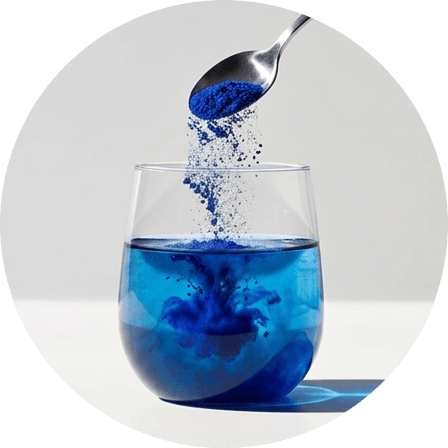
A spoon of blue spirulina powder being tipped into a glass of liquid, dying the liquid a vivid blue
Why spirulina has become so important
Blue is one of the rarest colours found in nature, making it particularly valuable to food manufacturers seeking natural alternatives. Widely available, spirulina is proving to be the most promising solution.
Spirulina, a blue-green algae, contains phycocyanin, the natural resilient blue protein responsible for its vibrant colour.
Spirulina has been consumed for thousands of years, including by the Aztecs in Central America. The first recorded use of spirulina as a food was in 1521 by Bernal Diaz del Castillo, a Spanish conquistador, who reported that Spirulina harvested from natural lakes such as Lake Texcoco was then dried and sold for human consumption in Mexican markets.

Depiction of harvest of spirulina and the cakes made from the algae. Illustration from the Florentine Codex, Late 16th century.

John Carter Brown Library, Public domain, via Wikimedia Commons
Commercial development began in the 1970s as controlled cultivation methods improved. Today it is widely used in dietary supplements, functional foods, beverages, pharmaceuticals, animal nutrition and natural food colouring, with consumption rates growing at 6-10% per annum.
Its popularity extends well beyond colour. Spirulina contains more than 60% protein along with antioxidants, essential fatty acids and highly bioavailable iron, making it one of the world’s most nutrient-dense natural ingredients. NASA has even investigated spirulina as a sustainable food source for long-duration space missions.
Photo by Supliful - Supplements On Demand on Unsplash.
A rapidly expanding global market
Demand for spirulina is accelerating across a broad range of industries, led by the health and wellness sector, which was valued at around USD$7.8 billion in 2025, according to estimates by Allied Market Research. Spirulina is now firmly established in product pipelines for functional foods and beverages, dietary supplements, pharmaceuticals, animal nutrition and, increasingly, natural food colours.
The market outlook remains strong. Allied Market Research estimates the global spirulina market will grow from USD$393 million in 2019 to USD$897 million by 2027, representing a compound annual growth rate (CAGR) of 10.5%. Demand for phycocyanin (the natural blue pigment extracted from spirulina) is also rising, with the market forecast to increase from USD$220 million in 2026 to USD$376 million by 2034, representing a CAGR of 7.5%. This growth is being driven by consumers seeking natural, sustainable ingredients that deliver both environmental and nutritional benefits.
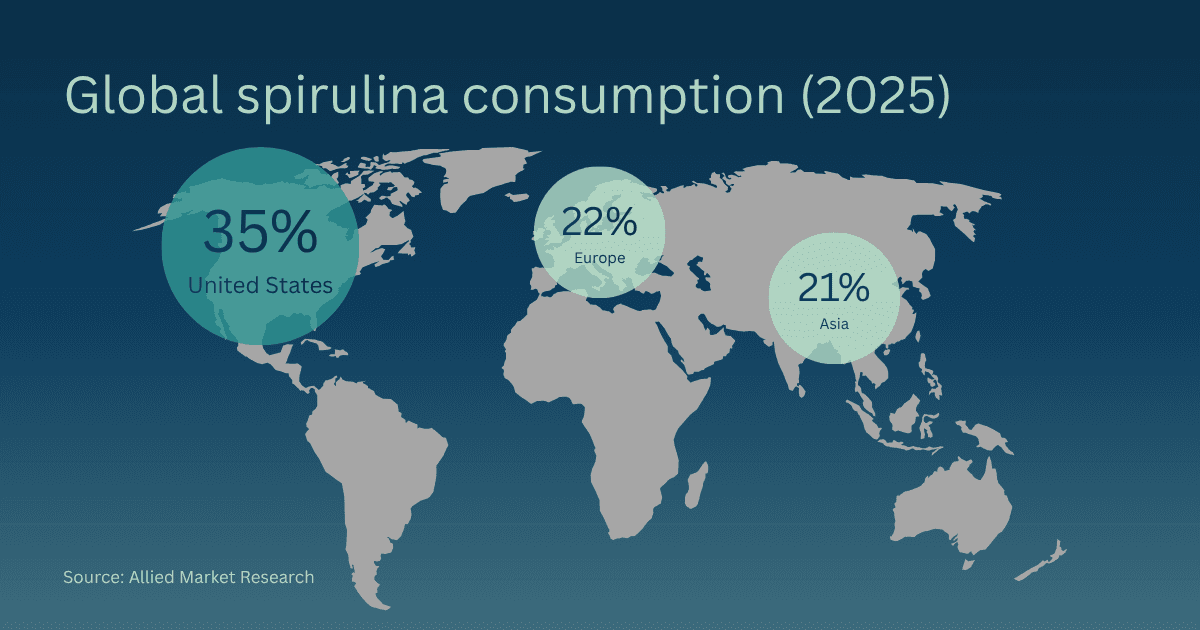
Global spirulina consumption from Allied Market Research data.
The United States remains the largest market for spirulina, accounting for 35% of global consumption. Europe follows with 22%, while Asia holds a 21% share and is the fastest-growing regional market.[GG11] [LM12] [GG13]
On the supply side, more than 70% of global spirulina production comes from Northeast Asia, with China alone home to more than 50 medium-to-large commercial farms and over 550 smaller producers, generating an estimated 55,000 tonnes of spirulina annually. Lower labour and production costs have made the region highly competitive, although quality and manufacturing standards can vary significantly.
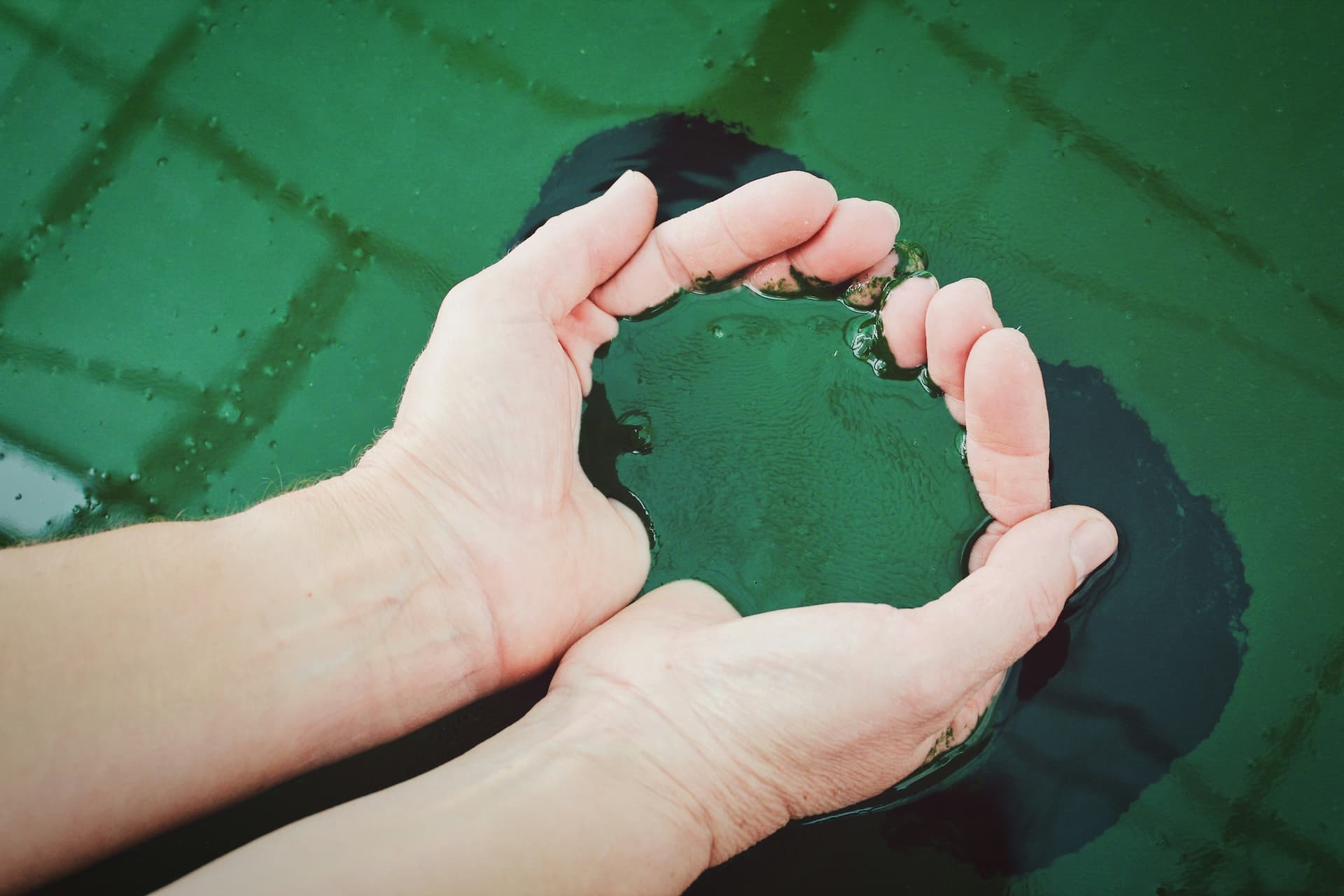
Photo by Vita Marija Murenaite on Unsplash.
European producers face a different set of challenges. Less favourable climatic conditions make large-scale spirulina cultivation more energy intensive, while higher land, labour and regulatory compliance costs further increase production expenses. However, these higher costs are offset by the European Union's rigorous food safety and manufacturing standards, which help ensure some of the world's highest-quality spirulina and spirulina-derived products.
As food manufacturers place greater emphasis on traceability, provenance and product quality, country of origin is becoming an increasingly important purchasing consideration. Country of origin labelling for packaged goods is becoming increasingly prevalent
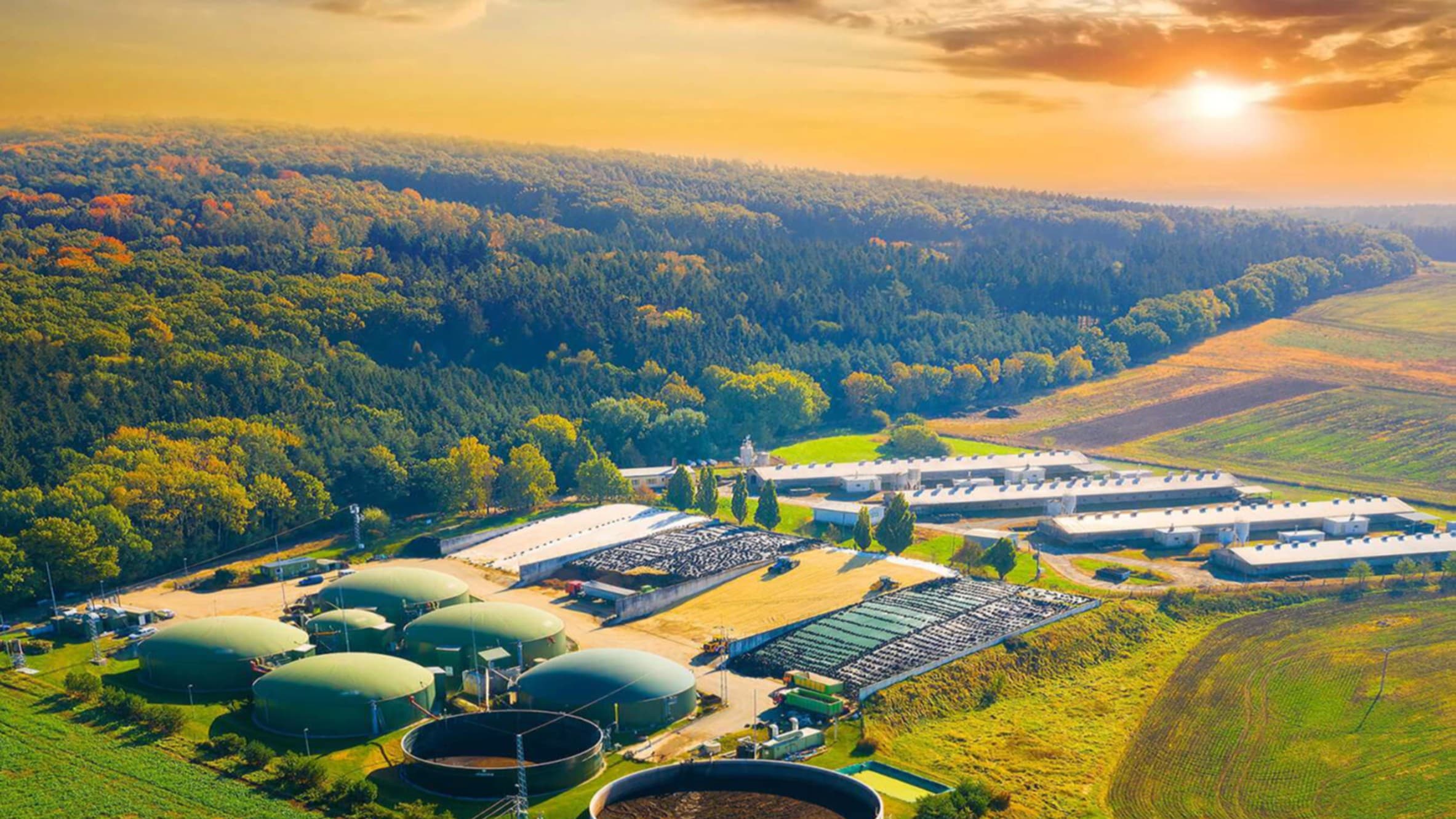
As global food manufacturers place greater emphasis on traceability, food safety and sustainability, Australia is well positioned to supply premium spirulina products. Austrade describes Australia as having a global reputation, known for its safety, quality and sustainability, with rigorous food safety standards and world-class manufacturing providing local producers with a strong competitive advantage in premium export markets.
Understanding spirulina blue
To meet different market requirements, spirulina blue (phycocyanin) is blended with food-grade carriers to produce a range of commercial strengths.
Industry-standard grades include EV6, EV10, EV18, EV25 and EV40, with EV40 representing pure phycocyanin, allowing manufacturers to use smaller quantities to achieve their required colour intensity.
EV6 is typically used as a nutraceutical functional supplement for human health and in animal nutrition, and EV10-25 applications are typically used in the food colorant and functional foods space. EV40, or pure phycocyanin is classed as a medical grade product and has applications in wound dressings shown to accelerate healing.
Among all commercial grades, EV18 has become the industry's preferred standard, offering the best balance of concentration, ease of handling and cost-effectiveness across a wide range of food, beverage and nutraceutical applications.
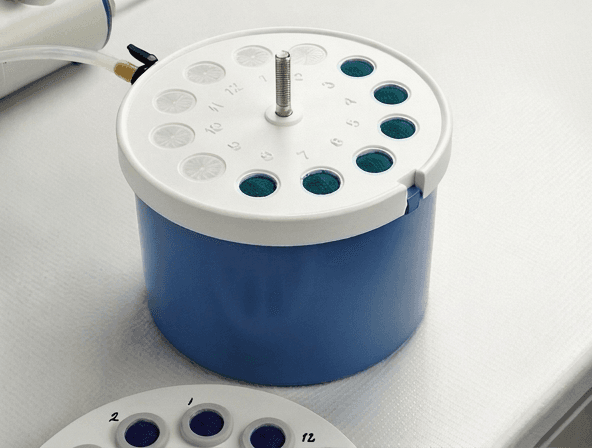
Phycocyanin being extracted from spirulina to make spirulina blue.
Producing high-quality spirulina is challenging
As a biological product, spirulina is inherently challenging to cultivate economically and harvest at commercial scale. Successful production depends on carefully controlling nutrients, water, light and temperature, with optimal growth occurring at temperatures above 30°C. In cooler climates or regions with frosty winters, these conditions are more difficult to maintain, making production both seasonal and less efficient.
Light is another critical factor. Spirulina achieves its maximum growth rate under light wavelengths of 620–680nm, meaning many producers rely on energy-intensive cultivation systems to optimise production. This increases operating costs, limits the scalability of production facilities and can contribute to variability in growth rates and yields.
Most commercial producers cultivate spirulina in large, open-air raceway ponds with higher-specification products grown in covered ponds while some boutique operations use enclosed bioreactors that offer greater environmental control.
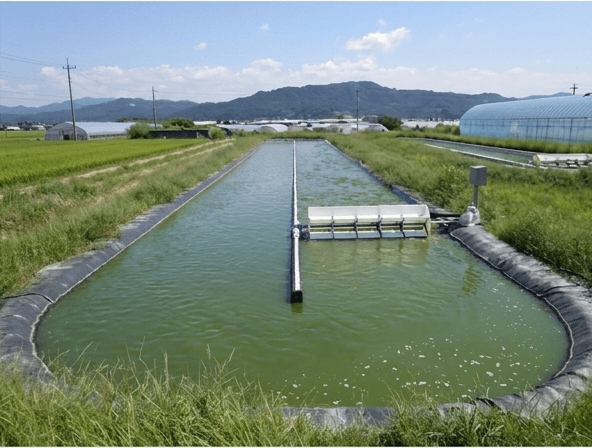
An open-air raceway pond for spirulina algae production
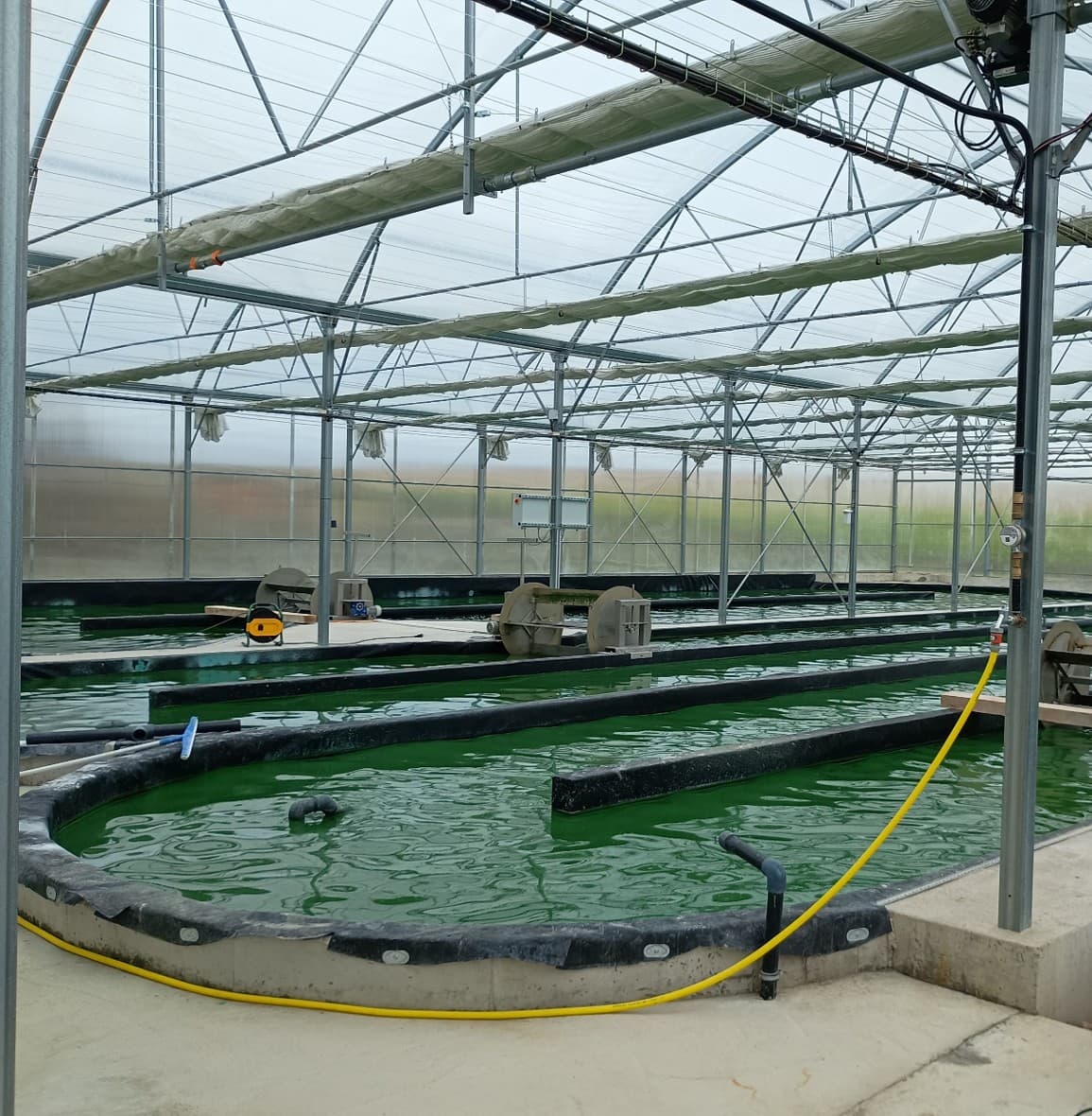
An enclosed bio-secure raceway pond for spirulina algae production.
The choice of nutrient source also has a significant impact on product quality. Commercial and synthetic fertilisers are commonly used, although some lower-cost producers use wastewater as an alternative nutrient source. While this can reduce production costs, wastewater does not always produce food grade spirulina and introduces additional quality concerns. Spirulina also has a natural affinity for absorbing heavy metals and has been used to remove heavy metals from contaminated water. As a result, the reuse of growth water, fertiliser or wastewater-based nutrient sources can increase heavy metal concentrations in lower-cost production systems.
Reflecting these concerns, the US Food and Drug Administration (FDA) issued a notification to colour manufacturers in February 2026 requiring compliance with limits for heavy metals and solvents. Other production challenges include contamination risks associated with open-pond cultivation and the significant water requirements needed to grow the algae.
Collectively, these environmental, technical and regulatory challenges increase production costs and create significant differences in the quality, consistency and safety of spirulina products available on the global market. One of the greatest limitations of conventional cultivation remains its dependence on sunlight and ambient temperatures, making production inherently seasonal.
A global first solution
Australian company C-Loop has emerged as a market leader by developing a patented cultivation system that addresses many of the limitations of conventional spirulina production. Its integrated production platform enables scalable cultivation, consistent quality and cost-effective, year-round manufacturing.
Unlike traditional producers that rely on seasonal conditions, C-Loop combines controlled heat, light and organic nutrient management with proprietary cultivation and harvesting processes to maintain continuous production. The system is powered by renewable heat and light generated through the company's biorefinery and bioreactor, reducing reliance on external energy sources while improving production efficiency year-round.
The C-Loop process improves the environmental impact by capturing carbon dioxide and converting agricultural organic waste into valuable production inputs, creating a circular manufacturing system. Unlike many conventional producers that rely on commercial fertilisers or wastewater, C-Loop uses nutrients derived from organic agricultural by-products, resulting in exceptionally low heavy metal levels and a safer, food-grade production process.
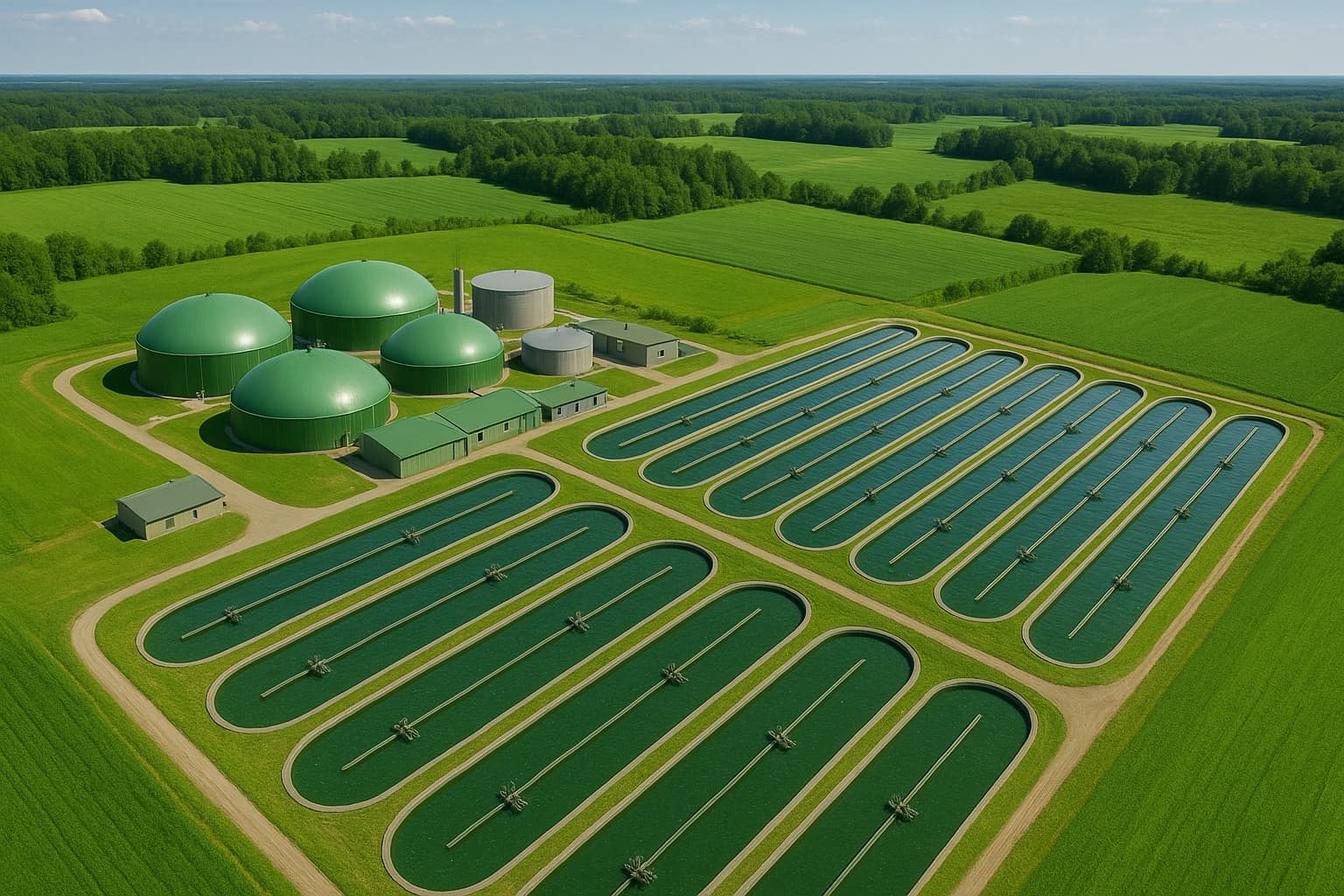
Artist impression of a C-Loop biorefinery.
C-Loop's core strategy is simple: produce certified organic spirulina and spirulina blue that are globally cost competitive while delivering the highest standards of quality and sustainability. The company's patented biorefinery has been designed to extract maximum value without compromising quality at a low cost to market. The result is a premium-quality spirulina product produced through a net-zero emissions process that is unseen anywhere else globally.
A strong future for natural colours
The transition to natural food colours is no longer an emerging trend, it is now the global industry standard.
As regulatory pressure increases and consumers continue demanding cleaner labels, greater ingredient transparency and more sustainable production, manufacturers will increasingly seek suppliers capable of delivering natural colours that combine quality, traceability and commercial scalability.
With its patented cultivation technology, circular manufacturing model and focus on premium Australian production, companies like C-Loop that can achieve all three will define the next generation of food ingredients.